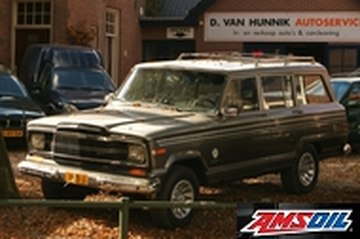
Engine Lubrication and Maintenance for the 1981 Jeep WAGONEER 4.2L
Maintaining a vehicle of this era requires a proactive approach to lubrication and mechanical oversight. For the 1981 Jeep WAGONEER equipped with the 4.2L engine, consistent attention to fluid health and component integrity is essential for long-term operation. Because older engines often exhibit different wear patterns than modern counterparts, owners should focus on regular inspections and a clear understanding of their specific lubrication needs.
Monitoring Fluid Integrity and Potential Leaks
One of the most effective ways to monitor the health of the 4.2L engine is through frequent visual inspections for fluid seepage. Over time, various gaskets and seals may experience changes in elasticity due to heat cycles and age. It is helpful to periodically inspect the area around the engine block and sealing surfaces for any signs of active leakage or dampness.
When performing routine checks, look for:
- Evidence of fluid weeping around various engine junctions.
- Accumulations of oil on lower engine components that may indicate a slow seep from above.
- Changes in the color or consistency of the lubricant when checked via the dipstick.
If you notice an increase in lubricant consumption or observe new signs of seepage, these should be investigated promptly. While a small amount of seepage is not always indicative of immediate failure, it serves as a vital indicator that seals may eventually require attention to prevent more significant issues.
Observing Operational Warning Signs
Beyond visual inspections, the way the vehicle behaves during operation can provide important clues regarding its lubrication status. Owners should remain attentive to any changes in the engine's normal operating characteristics. Because symptoms can often be associated with multiple different underlying causes, a change in behavior warrants a thorough investigation rather than an immediate assumption of a specific part failure.
Be mindful of the following indicators:
- Unusual Noises: Any new mechanical sounds during startup or while idling should be noted.
- Exhaust Observations: Changes in exhaust appearance can sometimes be linked to how the engine is managing its lubricants.
- Warning Indicators: If any dashboard indicators related to fluid levels or pressure illuminate, it is critical to stop and inspect the system immediately.
If you notice a sudden change in how the engine sounds or performs, it may indicate that the lubrication quality has degraded or that a component is no longer operating within its intended parameters. Addressing these signs early can assist in preventing more extensive mechanical complications.
Prioritizing Long-Term Maintenance Decisions
For owners of a 1981 Jeep WAGONEER, effective maintenance is often about distinguishing between necessary preventive actions and unnecessary replacements. Rather than following a rigid schedule based solely on the age of the vehicle, it is more practical to base your priorities on the actual current condition of the engine and its components.
A useful strategy for long-term ownership involves establishing a maintenance baseline. If you do not have access to a complete service history for the 4.2L engine, begin by performing a comprehensive inspection of all fluids, belts (if equipped), and visible hoses. Documenting these initial findings allows you to track changes over time.
When managing an older vehicle, focus your efforts on:
- Reviewing Records: If previous service history is available, use it to identify patterns in part replacement or fluid changes.
- Addressing Active Issues: Prioritize any identified leaks or warning signs before moving on to general preventive tasks.
- Monitoring Consumption: Keep a log of how much lubricant is added between services to detect gradual changes in engine efficiency.
By focusing on condition-based maintenance, you can ensure that resources are directed toward the areas that most impact the vehicle's continued reliability.
Inspecting Auxiliary Engine Components
While the engine oil is a primary focus, other components within the engine bay require regular oversight to ensure the entire system functions correctly. For example, if equipped, accessible drive belts should be inspected for signs of deterioration such as cracking, glazing, or fraying. Similarly, any present hoses should be checked for softness, swelling, or visible leaks.
Electrical connections and wiring also warrant periodic inspection. Ensuring that connectors are clean and secure can prevent intermittent issues that might otherwise mimic mechanical problems. Furthermore, maintaining a clean air filtration system is vital, as it ensures the engine receives an appropriate volume of air, which indirectly supports efficient combustion and helps maintain the cleanliness of the internal lubrication environment.
Managing Engine Lubricant Quality
The quality of the lubricant used in the 4.2L engine plays a significant role in managing heat and reducing friction. Over time, lubricants can undergo oxidation or become contaminated by various factors, which may lead to the formation of deposits or sludge. Regular changes are necessary to ensure that the additives within the oil—which are designed to control these contaminants—remain effective.
Some high-mileage oil formulations contain additives intended for use in aging engines. These formulations often include seal-conditioning additives, which may assist in maintaining the integrity of older gaskets and seals. While these products can be a useful tool for managing an older engine, they should be selected based on the specific needs of your vehicle's current condition.
Practical Guidance for BUYING ENGINE OIL for your 1981 Jeep WAGONEER 4.2L
When you are ready to purchase new lubricant, it is essential to match the product to the specific requirements of your engine. To ensure the correct application, always refer to the vehicle-specific oil viscosity and application information already displayed on this webpage.
As you shop, keep these practical tips in mind:
- Verify Labeling: Always check the product packaging to confirm it meets the necessary specifications for your engine.
- Consider Formulations: Depending on your engine's mileage and condition, you may choose between conventional, synthetic blends, or full synthetic oils. If your vehicle shows signs of aging seals, a high-mileage formulation might be an appropriate consideration.
- Check Certifications: Ensure the oil carries the appropriate API certification to guarantee it meets modern standards for quality and performance.
By strictly following the viscosity information provided in the application data on this page, you can ensure that your 1981 Jeep WAGONEER receives the correct lubrication for its 4.2L engine.